Rassendiskriminierung

Version vom 31. Juli 2023, 11:56 Uhr von Glanz (Diskussion | Beiträge) (Die Seite wurde neu angelegt: „Based on the information available, here is a detailed aiMOOC on the topic of racial discrimination. This MOOC includes text input, open tasks, and interactive…“)
(Unterschied) ← Nächstältere Version | Aktuelle Version (Unterschied) | Nächstjüngere Version → (Unterschied)

Based on the information available, here is a detailed aiMOOC on the topic of racial discrimination. This MOOC includes text input, open tasks, and interactive elements that can be used for educational purposes. The information provided is accurate and reliable, primarily sourced from Wikipedia.

Input

Introduction

Racial discrimination is a serious issue that affects individuals and societies worldwide. It involves treating people less favorably or unfairly based on their race, color, descent, national or ethnic origin, or immigrant status. Racial discrimination can occur in various settings, including education, employment, housing, and healthcare. It can lead to significant social, economic, and health disparities among different racial and ethnic groups.

History of Racial Discrimination

The history of racial discrimination is long and complex. It dates back to ancient civilizations and has been a part of societies worldwide. The transatlantic slave trade, colonialism, and apartheid in South Africa are some of the most notable historical examples of racial discrimination.

Forms of Racial Discrimination

Racial discrimination can take many forms, including:

  1. Institutional racism: This form of discrimination is embedded in the laws, regulations, and practices of a society or an organization. It leads to systematic discrimination against certain racial or ethnic groups.
  2. Individual racism: This form of discrimination occurs when an individual holds prejudiced attitudes and beliefs about other races and acts on these beliefs.
  3. Structural racism: This refers to the ways in which societies foster racial discrimination through mutually reinforcing systems of housing, education, employment, earnings, benefits, credit, media, healthcare, and criminal justice.

Impact of Racial Discrimination

The impact of racial discrimination is profound and far-reaching. It can lead to social inequality, health disparities, and economic inequality. Racial discrimination can also cause psychological harm, leading to issues like depression, anxiety, and post-traumatic stress disorder.

Combating Racial Discrimination

Efforts to combat racial discrimination include legislation, education, and advocacy. Important international instruments against racial discrimination include the Universal Declaration of Human Rights and the International Convention on the Elimination of All Forms of Racial Discrimination. Many countries have also enacted national laws against racial discrimination.

Open Tasks

Leicht

  1. Research: Look up a historical event related to racial discrimination and write a short summary of it.
  2. Discussion: Discuss with your classmates how racial discrimination can be addressed in your school or community.
  3. Reflection: Reflect on your own attitudes and behaviors. Have you ever witnessed or experienced racial discrimination? How did it make you feel?

Standard

  1. Project: Create a poster or infographic that raises awareness about racial discrimination.
  2. Essay: Write an essay on the impact of racial discrimination on mental health.
  3. Interview: Interview someone who has experienced racial discrimination and share their story (with their permission).

Schwer

  1. Research Project: Conduct a research project on the impact of institutional racism in your country.
  2. Policy Analysis: Analyze a policy or law in your country that addresses racial discrimination. Is it effective? How could it be improved?
  3. Community Action: Organize a community event or campaign to raise awareness about racial discrimination and promote racial equality.



Text bearbeiten Bild einfügen Video einbetten Interaktive Aufgaben erstellen


Interaktive Aufgaben

Kreuzworträtsel

Apartheid What was the system of institutionalized racial segregation that existed in South Africa called?
Racism What term refers to prejudice, discrimination, or antagonism directed against a person or people on the basis of their membership in a particular racial or ethnic group?
Segregation What term refers to the enforced separation of different racial groups in a country, community, or establishment?
Discrimination What term refers to the unjust or prejudicial treatment of different categories of people, especially on the grounds of race, age, or sex?
Equality What term refers to the state of being equal, especially in status, rights, or opportunities?


Quiz: Teste Dein Wissen

What is the name of the international convention that aims to eliminate racial discrimination? (International Convention on the Elimination of All Forms of Racial Discrimination) (!Convention on the Rights of the Child) (!Convention on the Elimination of All Forms of Discrimination Against Women) (!International Covenant on Civil and Political Rights)


Memory

Apartheid South Africa
Jim Crow Laws United States
Racial Segregation Separation of different racial groups
Institutional Racism Discrimination embedded in laws and regulations
Universal Declaration of Human Rights International document against discrimination


LearningApps

Lückentext

Vervollständige den Text.

Racial discrimination involves treating people less favorably based on their

, color, descent, national or ethnic origin, or immigrant status. It can occur in various settings, including

, employment, housing, and healthcare. Efforts to combat racial discrimination include

, education, and advocacy.


OERs zum Thema

Teilen - Diskussion - Bewerten


Schulfach+

Prüfungsliteratur 2026
Bundesland Bücher Kurzbeschreibung
Baden-Württemberg

Abitur

  1. Der zerbrochne Krug - Heinrich von Kleist
  2. Heimsuchung - Jenny Erpenbeck

Mittlere Reife

  1. Der Markisenmann - Jan Weiler oder Als die Welt uns gehörte - Liz Kessler
  2. Ein Schatten wie ein Leopard - Myron Levoy oder Pampa Blues - Rolf Lappert

Abitur Dorfrichter-Komödie über Wahrheit/Schuld; Roman über einen Ort und deutsche Geschichte. Mittlere Reife Wahllektüren (Roadtrip-Vater-Sohn / Jugendroman im NS-Kontext / Coming-of-age / Provinzroman).

Bayern

Abitur

  1. Der zerbrochne Krug - Heinrich von Kleist
  2. Heimsuchung - Jenny Erpenbeck

Abitur Lustspiel über Machtmissbrauch und Recht; Roman als Zeitschnitt deutscher Geschichte an einem Haus/Grundstück.

Berlin/Brandenburg

Abitur

  1. Der zerbrochne Krug - Heinrich von Kleist
  2. Woyzeck - Georg Büchner
  3. Der Biberpelz - Gerhart Hauptmann
  4. Heimsuchung - Jenny Erpenbeck

Abitur Gerichtskomödie; soziales Drama um Ausbeutung/Armut; Komödie/Satire um Diebstahl und Obrigkeit; Roman über Erinnerungsräume und Umbrüche.

Bremen

Abitur

  1. Nach Mitternacht - Irmgard Keun
  2. Mario und der Zauberer - Thomas Mann
  3. Emilia Galotti - Gotthold Ephraim Lessing oder Miss Sara Sampson - Gotthold Ephraim Lessing

Abitur Roman in der NS-Zeit (Alltag, Anpassung, Angst); Novelle über Verführung/Massenpsychologie; bürgerliche Trauerspiele (Moral, Macht, Stand).

Hamburg

Abitur

  1. Der zerbrochne Krug - Heinrich von Kleist
  2. Das kunstseidene Mädchen - Irmgard Keun

Abitur Justiz-/Machtkritik als Komödie; Großstadtroman der Weimarer Zeit (Rollenbilder, Aufstiegsträume, soziale Realität).

Hessen

Abitur

  1. Der zerbrochne Krug - Heinrich von Kleist
  2. Woyzeck - Georg Büchner
  3. Heimsuchung - Jenny Erpenbeck
  4. Der Prozess - Franz Kafka

Abitur Gerichtskomödie; Fragmentdrama über Gewalt/Entmenschlichung; Erinnerungsroman über deutsche Brüche; moderner Roman über Schuld, Macht und Bürokratie.

Niedersachsen

Abitur

  1. Der zerbrochene Krug - Heinrich von Kleist
  2. Das kunstseidene Mädchen - Irmgard Keun
  3. Die Marquise von O. - Heinrich von Kleist
  4. Über das Marionettentheater - Heinrich von Kleist

Abitur Schwerpunkt auf Drama/Roman sowie Kleist-Prosatext und Essay (Ehre, Gewalt, Unschuld; Ästhetik/„Anmut“).

Nordrhein-Westfalen

Abitur

  1. Der zerbrochne Krug - Heinrich von Kleist
  2. Heimsuchung - Jenny Erpenbeck

Abitur Komödie über Wahrheit und Autorität; Roman als literarische „Geschichtsschichtung“ an einem Ort.

Saarland

Abitur

  1. Heimsuchung - Jenny Erpenbeck
  2. Furor - Lutz Hübner und Sarah Nemitz
  3. Bahnwärter Thiel - Gerhart Hauptmann

Abitur Erinnerungsroman an einem Ort; zeitgenössisches Drama über Eskalation/Populismus; naturalistische Novelle (Pflicht/Überforderung/Abgrund).

Sachsen (berufliches Gymnasium)

Abitur

  1. Der zerbrochne Krug - Heinrich von Kleist
  2. Woyzeck - Georg Büchner
  3. Irrungen, Wirrungen - Theodor Fontane
  4. Der gute Mensch von Sezuan - Bertolt Brecht
  5. Heimsuchung - Jenny Erpenbeck
  6. Der Trafikant - Robert Seethaler

Abitur Mischung aus Klassiker-Drama, sozialem Drama, realistischem Roman, epischem Theater und Gegenwarts-/Erinnerungsroman; zusätzlich Coming-of-age im historischen Kontext.

Sachsen-Anhalt

Abitur

  1. (keine fest benannte landesweite Pflichtlektüre veröffentlicht; Themenfelder)

Abitur Schwerpunktsetzung über Themenfelder (u. a. Literatur um 1900; Sprache in politisch-gesellschaftlichen Kontexten), ohne feste Einzeltitel.

Schleswig-Holstein

Abitur

  1. Der zerbrochne Krug - Heinrich von Kleist
  2. Heimsuchung - Jenny Erpenbeck

Abitur Recht/Gerechtigkeit und historische Tiefenschichten eines Ortes – umgesetzt über Drama und Gegenwartsroman.

Thüringen

Abitur

  1. (keine fest benannte landesweite Pflichtlektüre veröffentlicht; Orientierung am gemeinsamen Aufgabenpool)

Abitur In der Praxis häufig Orientierung am gemeinsamen Aufgabenpool; landesweite Einzeltitel je nach Vorgabe/Handreichung nicht einheitlich ausgewiesen.

Mecklenburg-Vorpommern

Abitur

  1. (Quelle aktuell technisch nicht abrufbar; Beteiligung am gemeinsamen Aufgabenpool bekannt)

Abitur Land beteiligt sich am länderübergreifenden Aufgabenpool; konkrete, veröffentlichte Einzeltitel konnten hier nicht ausgelesen werden.

Rheinland-Pfalz

Abitur

  1. (keine landesweit einheitliche Pflichtlektüre; schulische Auswahl)

Abitur Keine landesweite Einheitsliste; Auswahl kann schul-/kursbezogen erfolgen.


aiMOOCs


aiMOOC Projekte



YouTube Music: THE MONKEY DANCE

Spotify: THE MONKEY DANCE

Apple Music: THE MONKEY DANCE

Amazon Music: THE MONKEY DANCE


The Monkey Dance SpreadShirtShop
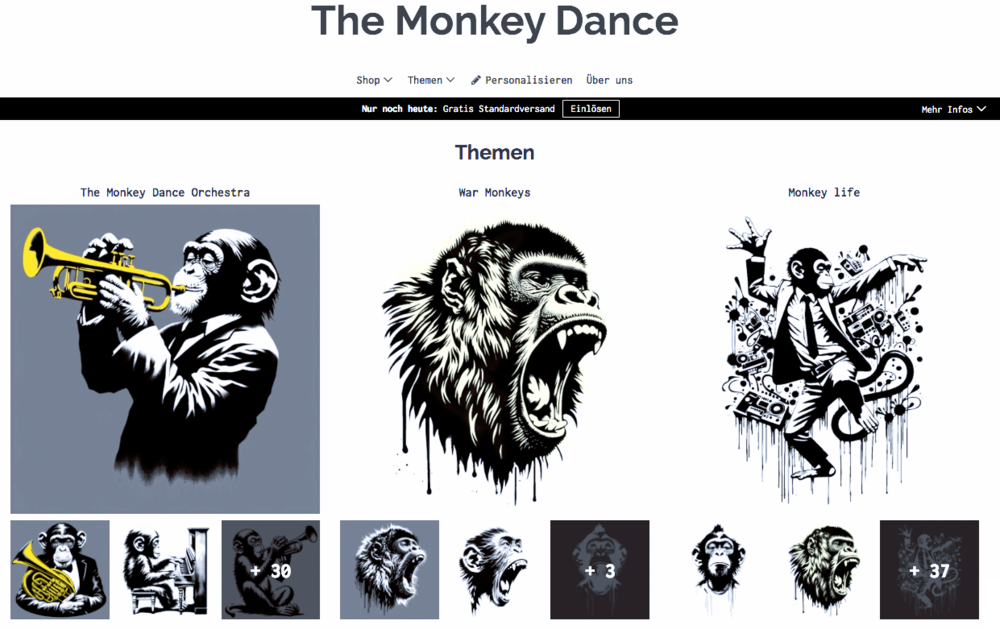


The Monkey DanceaiMOOCs

  1. Trust Me It's True: #Verschwörungstheorie #FakeNews
  2. Gregor Samsa Is You: #Kafka #Verwandlung
  3. Who Owns Who: #Musk #Geld
  4. Lump: #Trump #Manipulation
  5. Filth Like You: #Konsum #Heuchelei
  6. Your Poverty Pisses Me Off: #SozialeUngerechtigkeit #Musk
  7. Hello I'm Pump: #Trump #Kapitalismus
  8. Monkey Dance Party: #Lebensfreude
  9. God Hates You Too: #Religionsfanatiker
  10. You You You: #Klimawandel #Klimaleugner
  11. Monkey Free: #Konformität #Macht #Kontrolle
  12. Pure Blood: #Rassismus
  13. Monkey World: #Chaos #Illusion #Manipulation
  14. Uh Uh Uh Poor You: #Kafka #BerichtAkademie #Doppelmoral
  15. The Monkey Dance Song: #Gesellschaftskritik
  16. Will You Be Mine: #Love
  17. Arbeitsheft
  18. And Thanks for Your Meat: #AntiFactoryFarming #AnimalRights #MeatIndustry


© The Monkey Dance on Spotify, YouTube, Amazon, MOOCit, Deezer, ...


Text bearbeiten Bild einfügen Video einbetten Interaktive Aufgaben erstellen

Teilen Facebook Twitter Google Mail an MOOCit Missbrauch melden Zertifikat beantragen


0.00
(0 Stimmen)


Children for a better world >> Förderung der AI Fair-Image Challenge

Fair-Image wird von CHILDREN JUGEND HILFT! gefördert und ist mit der deutschlandweiten AI Fair-Image Challenge SIEGERPROJEKT 2025. Alle Infos zur Challenge hier >>. Infos zum Camp25 gibt es hier. Wenn auch Ihr Euch ehrenamtlich engagiert und noch finanzielle Unterstützung für Eurer Projekt braucht, dann stellt gerne einen Antrag bei JUGEND HILFT.


Medien: Video, Bilder

Datei:Racial discrimination protest.jpg