AI in Education
A
Algorithm : A step-by-step instruction for solving problems or tasks, often used in computer science.Artificial Intelligence (AI) : Simulation of human intelligence by machines, especially computer systems.Asynchronous Learning : Use of AI tools for individual learning without all participants needing to be online at the same time.Adaptive Learning Systems : AI-based platforms that adapt to the needs and abilities of individual students.Augmented Reality (AR) : Augmented reality that uses AI to integrate digital elements into the real world.Automation : Use of technologies such as AI to perform tasks without human intervention.
B
Big Data : Extremely large datasets that can be analyzed by AI to detect patterns and gain insights.Bot : An automated program that performs tasks online or within software systems.Bias in AI : Prejudices or distortions that may arise in AI systems due to unbalanced training data.Image Processing : AI technology that analyzes and interprets images, e.g., for visual recognition.Blockchain in Education : Technology that enables transparency and security in data storage.Educational AI : Systems specifically developed to support and improve the learning process.
C
Chatbots : AI-powered systems that interact with users and provide information.Cloud Computing : Provision of computing power and storage via the internet, often the foundation for AI systems.Computer Vision : Subfield of AI that enables computers to interpret visual data.Cybersecurity : Protection against digital threats, often with AI-powered systems.Curriculum Design : Use of AI to optimize curricula based on learning data.
D
Data Mining : Process of analyzing large datasets to extract patterns and knowledge.Deep Learning : Advanced AI technology using neural networks to solve problems.Digital Assistants : AI systems like Siri or Alexa that provide information and perform tasks.Data Privacy : Protection of personal data when using AI systems in education.Data Ethics : Study of moral questions related to the use of data and AI.
E
F
Feedback Systems : AI-based systems that provide individual feedback for learning.Fuzzy Logic : Method in AI that handles imprecise data to mimic human reasoning.Support through AI : Assistance for disadvantaged students through personalized learning offers.Formative Evaluation : Use of AI for continuous assessment and improvement of the learning process.
G
Gamification : Integration of playful elements into learning, often supported by AI.Generative AI : Systems like ChatGPT that generate content such as text, images, or videos.Facial Recognition : AI technology for identifying individuals by their faces.Global Competencies : Skills that students can develop for the future using AI-supported tools.
H
Human-in-the-Loop : Approach in which humans monitor and adjust AI systems.Holography : Use of AI to create 3D images for interactive learning environments.Blended Learning : Combination of classroom teaching and AI-supported online learning.Handwriting Recognition : AI technology that converts handwritten text into digital form.
I
J
K
L
M
N
O
P
Personalization : Adapting content and methods to individual student needs through AI.Predictive Analytics : Use of AI to predict future trends or performance.Programming : Creating AI models, often using specialized programming languages.
Q
R
Robotics : Development of robots controlled by AI and used in education.Risk Management : Identifying and mitigating risks when implementing AI in schools.Recommender Systems : AI technology that recommends content based on preferences and needs.
S
T
U
Supportive AI : Systems that help teachers and students to facilitate learning processes.Usability : User-friendliness of AI systems in education.
V
W
X
Y
YouTube Analysis : Use of AI to optimize learning content on platforms like YouTube.
Z
Prüfungsliteratur 2026
Bundesland
Bücher
Kurzbeschreibung
Baden-Württemberg
Abitur
Der zerbrochne Krug - Heinrich von Kleist Heimsuchung - Jenny Erpenbeck Mittlere Reife
Der Markisenmann - Jan Weiler oder Als die Welt uns gehörte - Liz Kessler Ein Schatten wie ein Leopard - Myron Levoy oder Pampa Blues - Rolf Lappert
Abitur Dorfrichter-Komödie über Wahrheit/Schuld; Roman über einen Ort und deutsche Geschichte.
Mittlere Reife Wahllektüren (Roadtrip-Vater-Sohn / Jugendroman im NS-Kontext / Coming-of-age / Provinzroman).
Bayern
Abitur
Der zerbrochne Krug - Heinrich von Kleist Heimsuchung - Jenny Erpenbeck
Abitur Lustspiel über Machtmissbrauch und Recht; Roman als Zeitschnitt deutscher Geschichte an einem Haus/Grundstück.
Berlin/Brandenburg
Abitur
Der zerbrochne Krug - Heinrich von Kleist Woyzeck - Georg Büchner Der Biberpelz - Gerhart Hauptmann Heimsuchung - Jenny Erpenbeck
Abitur Gerichtskomödie; soziales Drama um Ausbeutung/Armut; Komödie/Satire um Diebstahl und Obrigkeit; Roman über Erinnerungsräume und Umbrüche.
Bremen
Abitur
Nach Mitternacht - Irmgard Keun Mario und der Zauberer - Thomas Mann Emilia Galotti - Gotthold Ephraim Lessing oder Miss Sara Sampson - Gotthold Ephraim Lessing
Abitur Roman in der NS-Zeit (Alltag, Anpassung, Angst); Novelle über Verführung/Massenpsychologie; bürgerliche Trauerspiele (Moral, Macht, Stand).
Hamburg
Abitur
Der zerbrochne Krug - Heinrich von Kleist Das kunstseidene Mädchen - Irmgard Keun
Abitur Justiz-/Machtkritik als Komödie; Großstadtroman der Weimarer Zeit (Rollenbilder, Aufstiegsträume, soziale Realität).
Hessen
Abitur
Der zerbrochne Krug - Heinrich von Kleist Woyzeck - Georg Büchner Heimsuchung - Jenny Erpenbeck Der Prozess - Franz Kafka
Abitur Gerichtskomödie; Fragmentdrama über Gewalt/Entmenschlichung; Erinnerungsroman über deutsche Brüche; moderner Roman über Schuld, Macht und Bürokratie.
Niedersachsen
Abitur
Der zerbrochene Krug - Heinrich von Kleist Das kunstseidene Mädchen - Irmgard Keun Die Marquise von O. - Heinrich von Kleist Über das Marionettentheater - Heinrich von Kleist
Abitur Schwerpunkt auf Drama/Roman sowie Kleist-Prosatext und Essay (Ehre, Gewalt, Unschuld; Ästhetik/„Anmut“).
Nordrhein-Westfalen
Abitur
Der zerbrochne Krug - Heinrich von Kleist Heimsuchung - Jenny Erpenbeck
Abitur Komödie über Wahrheit und Autorität; Roman als literarische „Geschichtsschichtung“ an einem Ort.
Saarland
Abitur
Heimsuchung - Jenny Erpenbeck Furor - Lutz Hübner und Sarah Nemitz Bahnwärter Thiel - Gerhart Hauptmann
Abitur Erinnerungsroman an einem Ort; zeitgenössisches Drama über Eskalation/Populismus; naturalistische Novelle (Pflicht/Überforderung/Abgrund).
Sachsen (berufliches Gymnasium)
Abitur
Der zerbrochne Krug - Heinrich von Kleist Woyzeck - Georg Büchner Irrungen, Wirrungen - Theodor Fontane Der gute Mensch von Sezuan - Bertolt Brecht Heimsuchung - Jenny Erpenbeck Der Trafikant - Robert Seethaler
Abitur Mischung aus Klassiker-Drama, sozialem Drama, realistischem Roman, epischem Theater und Gegenwarts-/Erinnerungsroman; zusätzlich Coming-of-age im historischen Kontext.
Sachsen-Anhalt
Abitur
(keine fest benannte landesweite Pflichtlektüre veröffentlicht; Themenfelder)
Abitur Schwerpunktsetzung über Themenfelder (u. a. Literatur um 1900; Sprache in politisch-gesellschaftlichen Kontexten), ohne feste Einzeltitel.
Schleswig-Holstein
Abitur
Der zerbrochne Krug - Heinrich von Kleist Heimsuchung - Jenny Erpenbeck
Abitur Recht/Gerechtigkeit und historische Tiefenschichten eines Ortes – umgesetzt über Drama und Gegenwartsroman.
Thüringen
Abitur
(keine fest benannte landesweite Pflichtlektüre veröffentlicht; Orientierung am gemeinsamen Aufgabenpool)
Abitur In der Praxis häufig Orientierung am gemeinsamen Aufgabenpool; landesweite Einzeltitel je nach Vorgabe/Handreichung nicht einheitlich ausgewiesen.
Mecklenburg-Vorpommern
Abitur
(Quelle aktuell technisch nicht abrufbar; Beteiligung am gemeinsamen Aufgabenpool bekannt)
Abitur Land beteiligt sich am länderübergreifenden Aufgabenpool; konkrete, veröffentlichte Einzeltitel konnten hier nicht ausgelesen werden.
Rheinland-Pfalz
Abitur
(keine landesweit einheitliche Pflichtlektüre; schulische Auswahl)
Abitur Keine landesweite Einheitsliste; Auswahl kann schul-/kursbezogen erfolgen.
aiMOOCs
aiMOOC Projekte
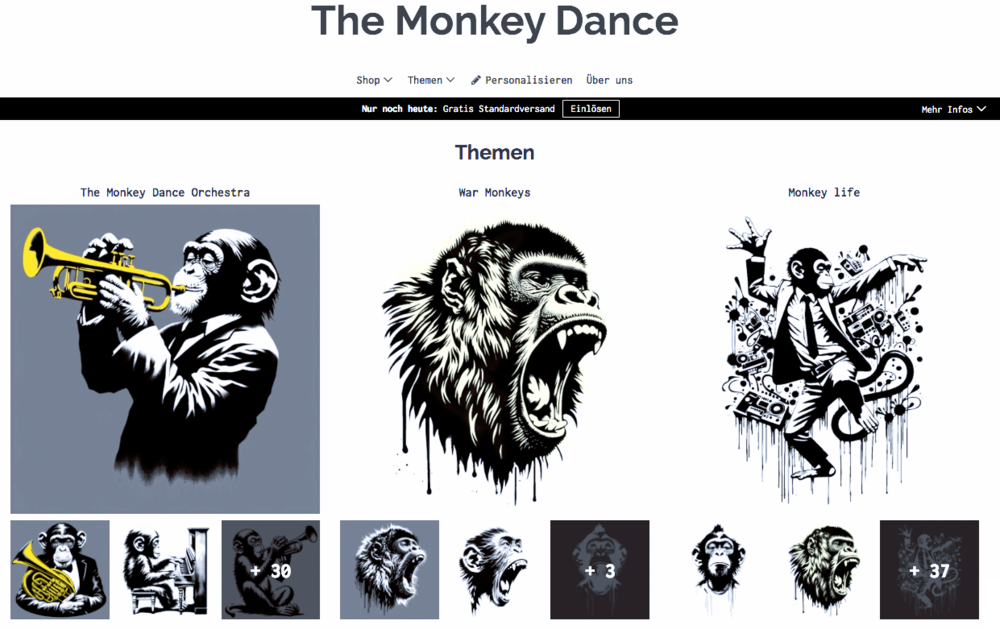
THE MONKEY DANCE
Fair-Image wird von CHILDREN JUGEND HILFT! gefördert und ist mit der deutschlandweiten AI Fair-Image Challenge SIEGERPROJEKT 2025 . Alle Infos zur Challenge hier >> . Infos zum Camp25 gibt es hier . Wenn auch Ihr Euch ehrenamtlich engagiert und noch finanzielle Unterstützung für Eurer Projekt braucht, dann stellt gerne einen Antrag bei JUGEND HILFT .
Datei:Logo Deutscher Engagementpreis.svg