Glossar Blacksmithing
A
Anvil : A solid iron or steel block used as the main working surface for forging metal.Annealing : Heat treatment that softens metal, relieves stress, and improves machinability.Arc Welding : A fusion welding process using an electric arc to melt and join metals.As-cast : A term describing a metal in its raw cast condition before any further processing.
B
Ball Peen Hammer : A hammer with one flat face and one rounded face, often used in metalworking.Bar Stock : Pre-formed metal bars used as raw material in forging and fabrication.Bending : The process of shaping metal into curves or angles by applying force.Black Oxide : A finish created by controlled oxidation to give steel a blackened, corrosion-resistant surface.Blacksmith : A craftsperson who forges iron or steel by hand using hammer, heat, and tools.
C
Carbon Steel : Steel that contains carbon as the main alloying element; commonly used for tools and blades.Case Hardening : Surface-hardening process that adds carbon to low-carbon steel to harden its surface.Chisel : A hardened steel tool used for cutting or carving metal.Clinker : Waste material formed in a coal forge, usually made of slag and ash.
D
Damascus Steel : A layered steel created by forge-welding multiple steels together and folding them repeatedly.Drawing Out : Stretching a piece of metal by hammering it to lengthen and reduce cross-section.Drift : A tapered tool used to enlarge, shape, or true up punched holes.Drop Forge : A forging method where a hammer is dropped onto hot metal placed in a die to form a shape.
E
Edge Hardening : Hardening only the edges of a workpiece (e.g., blades) by controlled heating and quenching.Electroplating : Applying a metal coating to a surface using electrical current.Etching : Corroding the surface of metal (e.g., for decoration or revealing Damascus patterns) using acids.Eye (of a hammer/tool) : The hole in a tool head where a handle is fitted.
F
Face (of the anvil) : The flat top surface of the anvil used for general hammering.Forge : The hearth or furnace where metal is heated for shaping.Forge Welding : Joining two pieces of metal by heating to high temperature and hammering them together.Fuller : A tool with a curved or rounded end used to spread and shape metal.Flux : A substance like borax used to clean and prevent oxidation during forge welding.
G
Grain Structure : The internal crystalline structure of a metal, which influences its strength and ductility.Grinding : Removing material or sharpening edges using a rotating abrasive wheel.Guillotine Tool : A spring-loaded tool used in a power hammer or vise for quick fullering or splitting.
H
Hardening : Heat treatment process that increases the hardness of steel by rapid quenching.Hammer Eye Punch : A tool used to punch the eye hole in tools like hammers and axes.Hardy Hole : Square hole in the anvil used for holding hardy tools.Heat Treating : A process involving heating and cooling to alter the properties of metal.Hot Cut : A chisel used to cut hot metal on the anvil.
I
Induction Heating : A method of heating metal using electromagnetic fields; fast and precise.Inclusions : Non-metallic impurities in steel that can affect its strength and forgeability.
J
Jig : A custom-made guide used to ensure accuracy and repeatability in forging.
K
Knife Blank : A pre-shaped piece of steel ready for forging or grinding into a knife.Kiss Block : A block placed under a power hammer to ensure consistent forging height.
L
Ladle : A tool used to pour molten metal in casting processes.Layering : The stacking of different steels during the Damascus-making process.Low Carbon Steel : Steel with a low carbon content, softer and more malleable, used for practice and non-cutting tools.
M
Mandrel : A tapered tool used to shape or size rings, eyes, or holes.Martensite : A hard, brittle microstructure formed in steel after quenching.Mild Steel : Steel with low carbon content, easy to work with, commonly used in blacksmithing.
N
Normalization : Heating steel to a critical temperature and cooling in air to refine grain structure.Necking : A forging defect where the metal thins due to over-hammering in one area.
O
Oil Quench : Cooling hot metal in oil to harden it while reducing risk of cracking.Oxidation : Reaction of metal with oxygen, producing scale (oxide) on the surface during heating.
P
Peening : Hammering to shape or strengthen metal, especially using the ball or cross peen side of the hammer.Punch : A tool used to create holes in hot metal by driving material out.Power Hammer : Mechanized hammer used to increase the speed and efficiency of forging.
Q
Quenching : Rapid cooling of hot steel to harden it, using water, oil, or air.Quench Line (Hamon) : The visible line on differentially hardened blades where hardness transitions.
R
Rebar : Reinforcing steel bar often used for beginner forging projects.Refractory : Heat-resistant material lining the forge to contain and reflect heat.Rivet : A permanent mechanical fastener formed by hammering.
S
Scale : Oxidized layer that forms on hot steel during forging – often removed by brushing or grinding.Scarf Joint : A long tapered joint used in forge welding.Scroll : A decorative spiral form commonly forged in ornamental ironwork.Striking : The action of a helper (striker) using a sledgehammer to assist the smith.
T
Tempering : Reheating hardened steel to a lower temperature to reduce brittleness and increase toughness.Tongs : Metal-handling tools essential for gripping and moving hot workpieces.Tool Steel : High-carbon steel used for tools requiring hardness and wear resistance.
U
Upsetting : Forging process to increase the cross-section of a bar by shortening it.Ultrasonic Testing : Non-destructive test used to detect internal flaws in metal.
V
Vise (Post Vise) : A strong, heavy-duty vise designed for blacksmith work, typically mounted to a bench or post.V-bit Tongs : Tongs with a V-shaped grip, useful for holding square or round stock securely.
W
Welding Heat : The temperature at which two pieces of metal can be forge-welded (typically around 2300°F / 1260°C).Wrought Iron : A form of iron with fibrous slag inclusions, malleable and corrosion-resistant – used historically before steel.
Z
Zinc Coating (Galvanization) : A protective metallic layer applied to steel to prevent rust.Zinc Fumes : Toxic fumes released when zinc-coated metals are heated – dangerous for smiths and must be avoided.
Teilen - Diskussion - Bewerten
Prüfungsliteratur 2026
Bundesland
Bücher
Kurzbeschreibung
Baden-Württemberg
Abitur
Der zerbrochne Krug - Heinrich von Kleist Heimsuchung - Jenny Erpenbeck Mittlere Reife
Der Markisenmann - Jan Weiler oder Als die Welt uns gehörte - Liz Kessler Ein Schatten wie ein Leopard - Myron Levoy oder Pampa Blues - Rolf Lappert
Abitur Dorfrichter-Komödie über Wahrheit/Schuld; Roman über einen Ort und deutsche Geschichte.
Mittlere Reife Wahllektüren (Roadtrip-Vater-Sohn / Jugendroman im NS-Kontext / Coming-of-age / Provinzroman).
Bayern
Abitur
Der zerbrochne Krug - Heinrich von Kleist Heimsuchung - Jenny Erpenbeck
Abitur Lustspiel über Machtmissbrauch und Recht; Roman als Zeitschnitt deutscher Geschichte an einem Haus/Grundstück.
Berlin/Brandenburg
Abitur
Der zerbrochne Krug - Heinrich von Kleist Woyzeck - Georg Büchner Der Biberpelz - Gerhart Hauptmann Heimsuchung - Jenny Erpenbeck
Abitur Gerichtskomödie; soziales Drama um Ausbeutung/Armut; Komödie/Satire um Diebstahl und Obrigkeit; Roman über Erinnerungsräume und Umbrüche.
Bremen
Abitur
Nach Mitternacht - Irmgard Keun Mario und der Zauberer - Thomas Mann Emilia Galotti - Gotthold Ephraim Lessing oder Miss Sara Sampson - Gotthold Ephraim Lessing
Abitur Roman in der NS-Zeit (Alltag, Anpassung, Angst); Novelle über Verführung/Massenpsychologie; bürgerliche Trauerspiele (Moral, Macht, Stand).
Hamburg
Abitur
Der zerbrochne Krug - Heinrich von Kleist Das kunstseidene Mädchen - Irmgard Keun
Abitur Justiz-/Machtkritik als Komödie; Großstadtroman der Weimarer Zeit (Rollenbilder, Aufstiegsträume, soziale Realität).
Hessen
Abitur
Der zerbrochne Krug - Heinrich von Kleist Woyzeck - Georg Büchner Heimsuchung - Jenny Erpenbeck Der Prozess - Franz Kafka
Abitur Gerichtskomödie; Fragmentdrama über Gewalt/Entmenschlichung; Erinnerungsroman über deutsche Brüche; moderner Roman über Schuld, Macht und Bürokratie.
Niedersachsen
Abitur
Der zerbrochene Krug - Heinrich von Kleist Das kunstseidene Mädchen - Irmgard Keun Die Marquise von O. - Heinrich von Kleist Über das Marionettentheater - Heinrich von Kleist
Abitur Schwerpunkt auf Drama/Roman sowie Kleist-Prosatext und Essay (Ehre, Gewalt, Unschuld; Ästhetik/„Anmut“).
Nordrhein-Westfalen
Abitur
Der zerbrochne Krug - Heinrich von Kleist Heimsuchung - Jenny Erpenbeck
Abitur Komödie über Wahrheit und Autorität; Roman als literarische „Geschichtsschichtung“ an einem Ort.
Saarland
Abitur
Heimsuchung - Jenny Erpenbeck Furor - Lutz Hübner und Sarah Nemitz Bahnwärter Thiel - Gerhart Hauptmann
Abitur Erinnerungsroman an einem Ort; zeitgenössisches Drama über Eskalation/Populismus; naturalistische Novelle (Pflicht/Überforderung/Abgrund).
Sachsen (berufliches Gymnasium)
Abitur
Der zerbrochne Krug - Heinrich von Kleist Woyzeck - Georg Büchner Irrungen, Wirrungen - Theodor Fontane Der gute Mensch von Sezuan - Bertolt Brecht Heimsuchung - Jenny Erpenbeck Der Trafikant - Robert Seethaler
Abitur Mischung aus Klassiker-Drama, sozialem Drama, realistischem Roman, epischem Theater und Gegenwarts-/Erinnerungsroman; zusätzlich Coming-of-age im historischen Kontext.
Sachsen-Anhalt
Abitur
(keine fest benannte landesweite Pflichtlektüre veröffentlicht; Themenfelder)
Abitur Schwerpunktsetzung über Themenfelder (u. a. Literatur um 1900; Sprache in politisch-gesellschaftlichen Kontexten), ohne feste Einzeltitel.
Schleswig-Holstein
Abitur
Der zerbrochne Krug - Heinrich von Kleist Heimsuchung - Jenny Erpenbeck
Abitur Recht/Gerechtigkeit und historische Tiefenschichten eines Ortes – umgesetzt über Drama und Gegenwartsroman.
Thüringen
Abitur
(keine fest benannte landesweite Pflichtlektüre veröffentlicht; Orientierung am gemeinsamen Aufgabenpool)
Abitur In der Praxis häufig Orientierung am gemeinsamen Aufgabenpool; landesweite Einzeltitel je nach Vorgabe/Handreichung nicht einheitlich ausgewiesen.
Mecklenburg-Vorpommern
Abitur
(Quelle aktuell technisch nicht abrufbar; Beteiligung am gemeinsamen Aufgabenpool bekannt)
Abitur Land beteiligt sich am länderübergreifenden Aufgabenpool; konkrete, veröffentlichte Einzeltitel konnten hier nicht ausgelesen werden.
Rheinland-Pfalz
Abitur
(keine landesweit einheitliche Pflichtlektüre; schulische Auswahl)
Abitur Keine landesweite Einheitsliste; Auswahl kann schul-/kursbezogen erfolgen.
aiMOOCs
aiMOOC Projekte
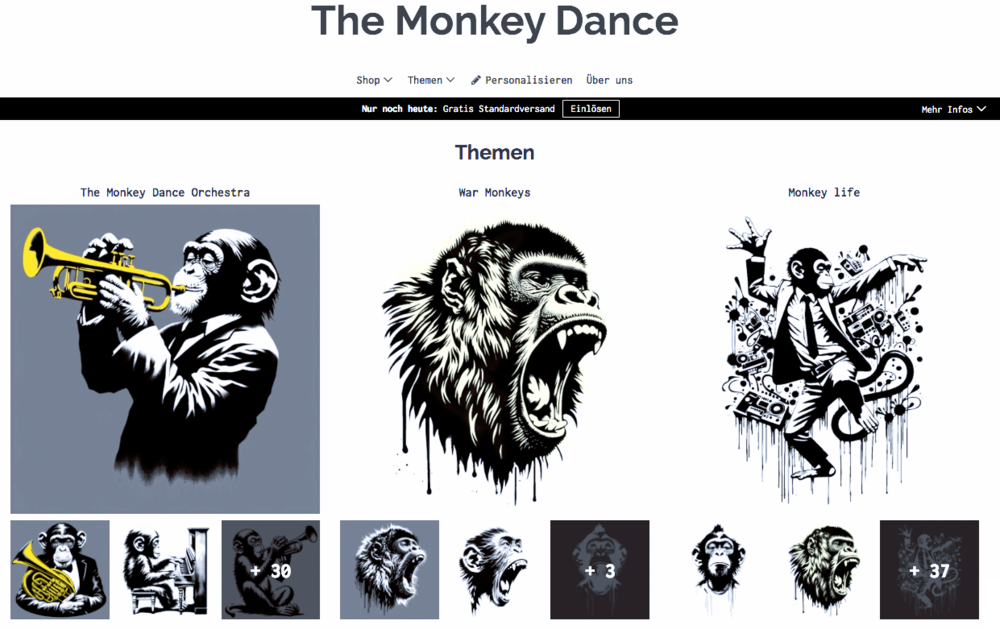
THE MONKEY DANCE
Fair-Image wird von CHILDREN JUGEND HILFT! gefördert und ist mit der deutschlandweiten AI Fair-Image Challenge SIEGERPROJEKT 2025 . Alle Infos zur Challenge hier >> . Infos zum Camp25 gibt es hier . Wenn auch Ihr Euch ehrenamtlich engagiert und noch finanzielle Unterstützung für Eurer Projekt braucht, dann stellt gerne einen Antrag bei JUGEND HILFT .